
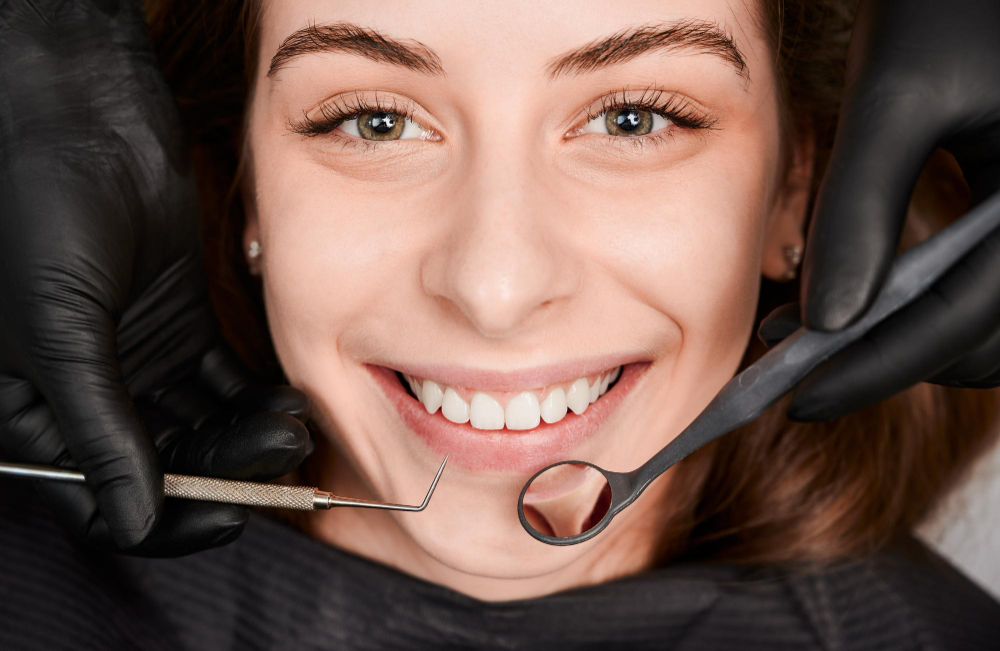
Protect Your Smile with Expert Cavity Treatment in Wading River, NY
At Shoreline Dental, we understand how cavities can affect your oral health and confidence. Our team is here to provide gentle, effective cavity treatment tailored to your needs. Don’t wait for discomfort to start—early care means better results and a healthier smile.
Why Choose Shoreline Dental for Your Cavity Care?
When it comes to cavity treatment in Wading River, NY, you want a dentist who listens and acts quickly. Our approach focuses on detecting cavities early through thorough exams and digital x-rays, so we can stop decay before it spreads. We use modern materials that blend naturally with your teeth, restoring both strength and appearance.
Expect a welcoming atmosphere where your comfort comes first. We explain each step clearly, so you’re never left wondering what’s next. Plus, we offer flexible scheduling to fit your busy lifestyle. If you notice sensitivity, dark spots, or discomfort, don’t hesitate to request an appointment today.
FAQs
What causes cavities and how can I prevent them?
Cavities develop when plaque bacteria produce acids that erode tooth enamel. Prevent them by brushing twice a day, flossing daily, limiting sugary foods, and visiting your dentist regularly for cleanings and exams.
How is a cavity treated at Shoreline Dental?
We remove the decayed tooth material and fill the area with a tooth-colored composite resin. This restores the tooth’s structure and prevents further damage, often in a single visit.
Are cavity treatments painful?
We prioritize your comfort and use local anesthesia as needed. Most patients feel little to no pain during the procedure and only minor sensitivity afterward.
Can untreated cavities cause more serious problems?
Yes, if left untreated, cavities can lead to infections, tooth abscess, or even tooth loss. Early treatment helps avoid these complications.
How often should I have dental checkups to catch cavities early?
Visiting your dentist every six months is ideal for early detection and prevention of cavities. However, your dentist may recommend more frequent visits based on your individual risk.